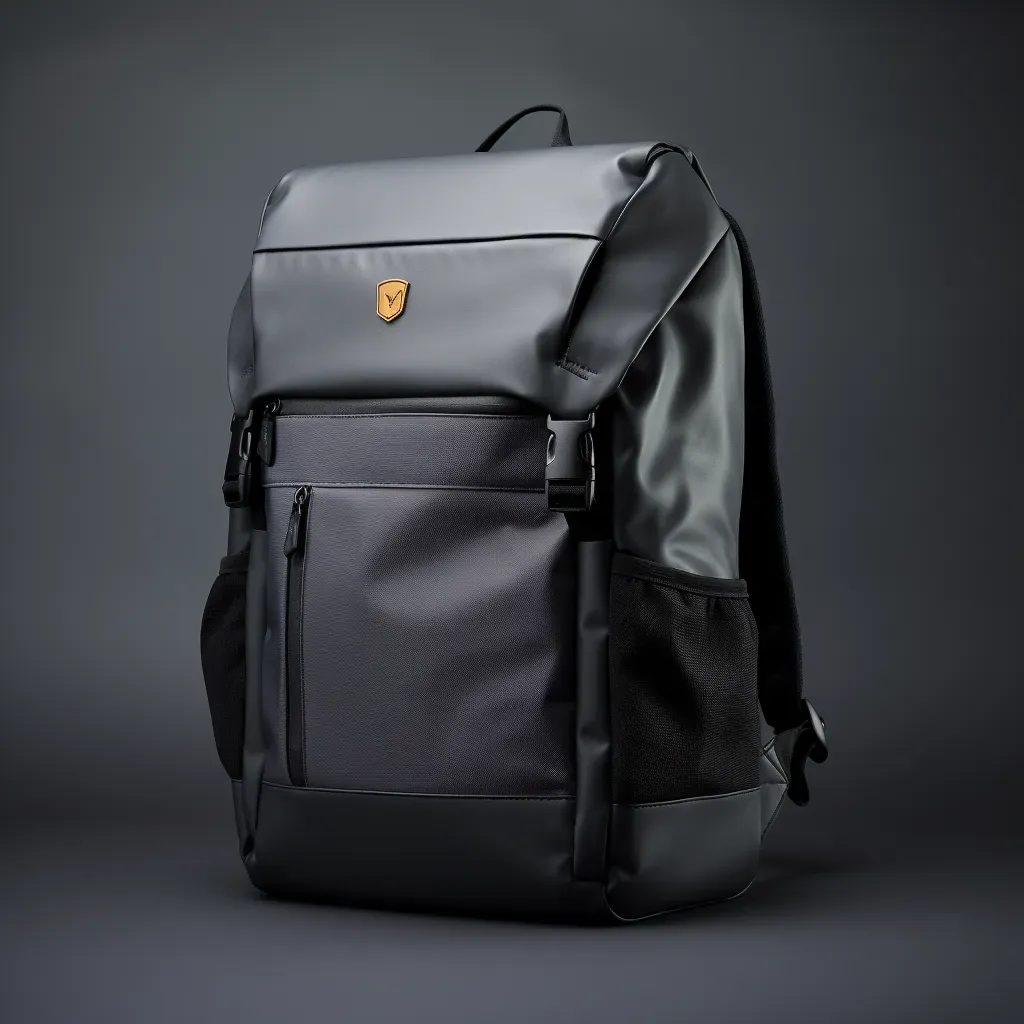
Bespoke Travel Bags
Soft travel pieces engineered against the sizer and the empty weight first, then against comfort on a two-hour transfer.
Bespoke travel bags are the soft pieces of a travel range — weekenders, cabin holdalls, convertible carry and the organisers that pack into them — developed to your dimension limits, weight targets and carry system, then fixed in a sealed pre-production sample. Minimum quantity is 500 pieces per style and colourway; sampling runs 6–10 working days, or 12–15 with custom hardware; bulk takes 35–50 days after approval. Lots are released at AQL 2.5 under ISO 2859-1, FOB Xiamen.
Programme parameters at a glance
| Parameter | Commitment |
|---|---|
| Minimum order quantity | 500 pieces per style / colourway |
| Sampling lead time | 6–10 working days (12–15 days for complex constructions) |
| Bulk production lead time | 35–50 days after sample approval |
| Inspection standard | AQL 2.5 (ISO 2859-1), single sampling, general level II |
| Incoterms | FOB Xiamen — EXW, CIF and DDP available on request |
| Payment terms | T/T 30% deposit / 70% before shipment; L/C at sight for container loads |
| Verified production floor space | 4,950 m² (SGS-verified) |
| Team | 137 staff across 7 production lines |
| Equipment | 149 machines including computerised saddle-stitch and edge-painting units |
| Monthly capacity | 200,000 pieces |
| Entity | Founded 2014; principal has worked in bag development since 2004 |
The Soft Travel Range
Soft travel sits between the day bag and the wheeled case. It is carried rather than rolled, which means it can be lighter and cheaper than a chassis-led case, but it also means the user's shoulder and hand are the load path. That single fact shapes every decision in the category: capacity is capped by what a person will carry, not by what will fit in an overhead bin.
Four formats cover most programmes. A weekender of 40–55 litres for two nights; a cabin holdall sized to the carrier guideline; a convertible piece that switches between shoulder and backpack carry; and a set of packing organisers cut from the same material as the main body. The first three are usually developed together on one platform, because they share webbing, hardware, lining and trim.
Cabin Compliance and Dimension Discipline
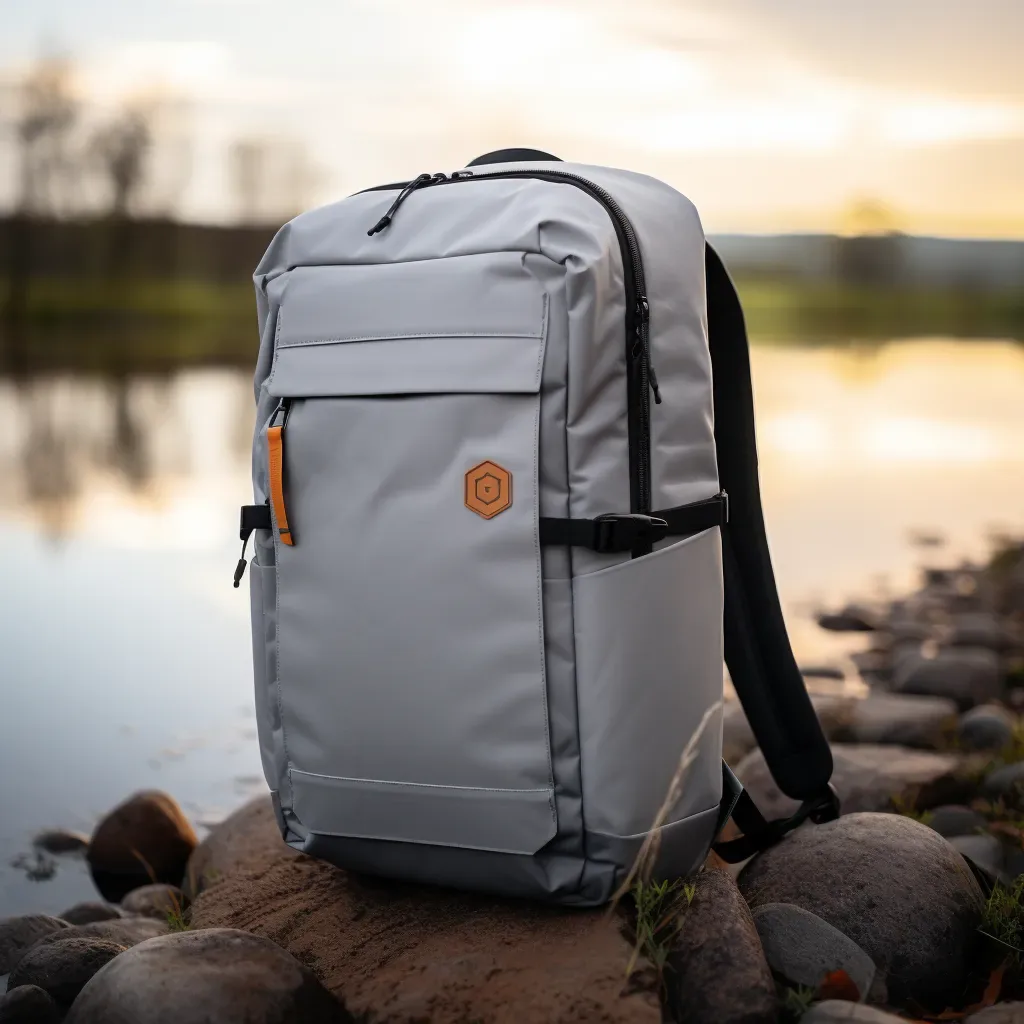
Cabin limits are the only external constraint in this category, and they are measured differently from the way a specifier measures a bag. Airlines measure the outside of the case, wheels, handles and pockets included, and a soft bag measured flat on a table is not the same bag once it is full.
Measuring the bag the way carriers do
The working method is simple and worth insisting on: pattern to the guideline, then check the finished sample loaded, standing on its feet, with the handles hanging naturally. Where a range sells into several markets, the pattern is cut to the tightest limit in the group rather than to the loosest, because the loose interpretation is the one that gets returned at the gate.
| Format | Target dimension H × W × D (cm) | Volume (L) | Weight target (kg) | Carry |
|---|---|---|---|---|
| Personal item | 40 × 30 × 15 | 18–22 | 0.7 or below | Shoulder strap, grab handle |
| Cabin holdall | 55 × 40 × 20 | 35–42 | 1.0 or below | Handles, sling, trolley sleeve |
| Weekender | 32 × 55 × 28 | 45–55 | 1.2 in canvas, 2.3 in leather | Handles, sling |
| Convertible carry | 50 × 34 × 22 | 38–45 | 1.3 or below | Stowable harness, sling |
| Soft check-in | 38 × 68 × 32 | 70–90 | 2.0 or below | Handles, sling, end grab |
A soft bag that measures correctly empty can still fail when packed. Compression straps, a box section and a lined rather than padded body all help hold the silhouette; a barrel section with a soft interlining does not.
Weight Targets and Material Selection
Empty weight is the specification most often missed, because it is decided by dozens of small choices: board thickness, foot count, lining weight, zip gauge, the number of pockets. Setting a target in grams at costing keeps those choices honest, and it is the figure that separates a travel range from a range that merely looks like travel.
- Packing cube set — three sizes, 4, 8 and 12 litres, cut from lining material with number 5 zips and grab loops.
- Wash bag — a hanging format with a welded liner and a metal hook, matched to the main body in material and trim.
- Shoe and laundry pouches — 210D lined, vented, sized to a stated shoe length, packed as a set with the main piece.
- Document sleeve — a flat padded slip for a passport and boarding pass, set into the front pocket.
- Bottle pocket — an elastic-sided external pocket sized to a 750 ml bottle, bartacked at both top corners.
- Luggage tag — a leather tag with a covered window and a 5 mm strap, embossed or debossed to match the range.
Carry Comfort Across a Long Transfer
A travel bag is carried for longer than any other bag in the range — from a car to a check-in desk, across a terminal, up a stair. Comfort here is a function of three things: handle diameter and wrap, strap width and pad, and how quickly the bag can be shifted to the other shoulder or onto a rolling case.
Grab handles belong on at least two faces, ideally three, so the bag can be pulled out of an overhead bin without hunting for the right side. A trolley sleeve of 220 mm with a zip base converts the bag to stacked carry and takes the load off the shoulder entirely; on anything above 40 litres it is the most useful single addition in the specification.
Field Failures on Soft Travel Pieces
| Check | Method | Pass criterion |
|---|---|---|
| Sizer compliance | Loaded to 10 kg, standing on its feet, handles hanging | Fits the target frame with 5 mm to spare on every face |
| Handle strength | Pull to 400 N, hold 60 seconds, both handles and the end grab | No stitch failure at the root or the reinforcement patch |
| Strap attachment | Pull to 300 N at each D-ring, then swing 1,000 cycles at 10 kg | No creep at the ring, no distortion of the body panel |
| Zip endurance | 3,000 open-close cycles on the main chain, loaded | No tooth separation, no slider wear through the tape |
| Harness stowage | Stow and deploy the harness 200 times | Pocket seam intact, no snagging on the lining |
| Abrasion | Martindale on the base panel and the shoulder contact zone | 30,000 cycles with no thread break |
Two of those six — sizer compliance and harness stowage — are specific to travel and are missed more often than any other. A harness pocket that tears is a returned bag; a bag that fails the sizer is a returned bag plus an unhappy traveller at a gate.
Building a Size Platform
- Agree the dimension limits and the empty weight target for each format in the range, in writing.
- Choose one material set, one hardware finish and one thread reference shared by every piece.
- Pattern the largest format first; smaller sizes are graded from it and inherit its construction details.
- Sample the middle size in bulk materials — it is the one most likely to be re-ordered.
- Confirm the organisers against the main body, since they are cut from the same material batch.
- Seal the set: body, organisers, hardware list and lab dips held together as one reference.
- Run bulk at 35–50 days from approval, with the three sizes packed as a mixed carton or a mixed container.
Patterning the largest format first is counter-intuitive but correct: a platform graded down holds its proportions, while one graded up from a small pattern usually gains weight and loses balance.
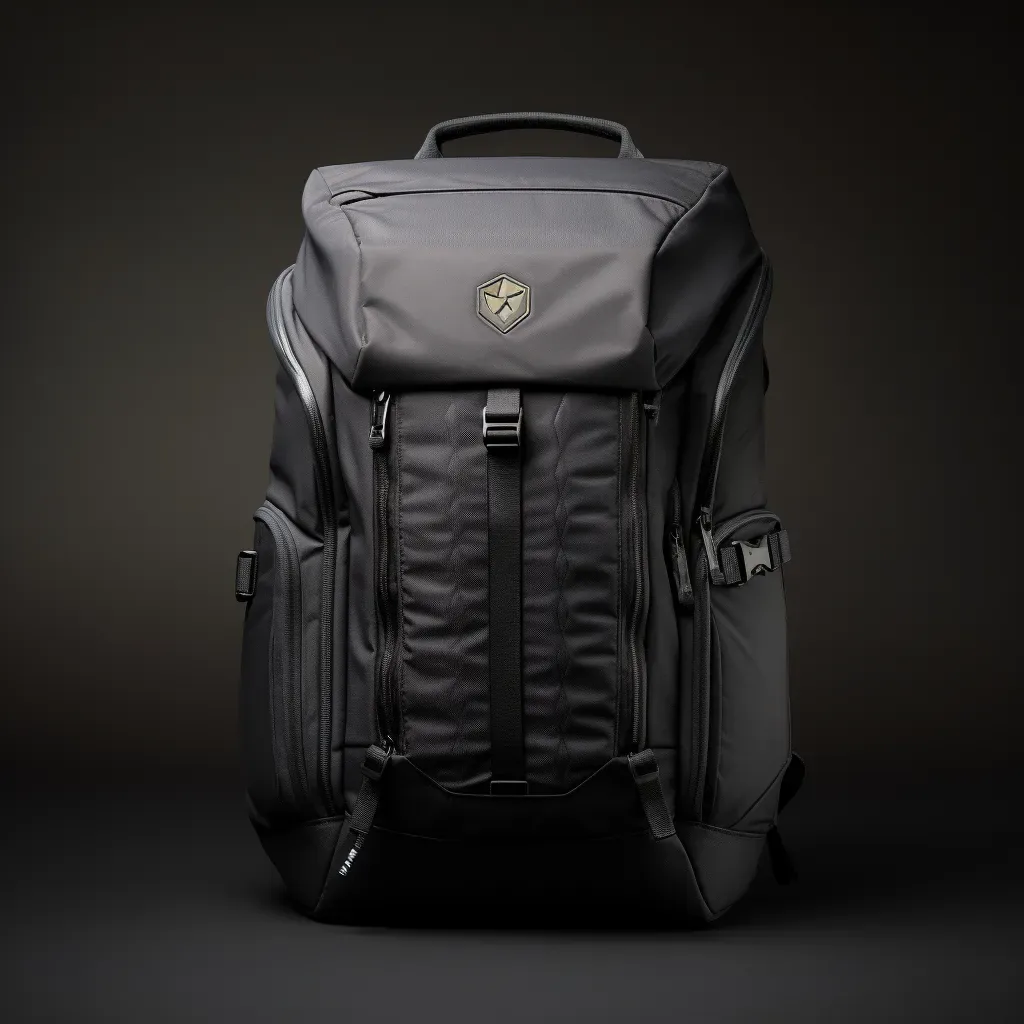
Verification Before Freight Release
Lots are sampled to AQL 2.5 under ISO 2859-1, single sampling, general level II, graded critical, major and minor. Travel programmes add two checks of their own: a dimensional audit on three units per carton count, and a weight audit, since both are promises made to the end traveller rather than to the buyer.
- Chemical compliance — REACH declarations for Europe and CPSIA for the United States, issued with the programme rather than after packing.
- Material options — OEKO-TEX Standard 100 fabrics and linings, and LWG-sourced hides, where the brand reports on provenance.
- Physical testing — handle pull, strap pull, zip cycling and abrasion against ASTM methods; leather finish checks under ASTM D2209 where requested.
- Production base — an SGS-verified 4,950 m² floor in Quanzhou, Fujian, 137 staff, 7 lines, 149 machines, run to ISO 9001 and ISO 14001 discipline.
- Continuity — sealed samples, lab dips and component lists retained so a second season matches the first.
Where a travel range is launched as a set, packing is part of the product: cubes inside the body, tags attached, care card placed, carton nested to the agreed cube. Deciding that at costing avoids the usual scramble in the last week before a booking.
Zone the interior around a two-night trip
Travel bags are packed in a predictable order and unpacked in a less predictable one. A single open cavity lets everything migrate together; a badly zoned interior puts the wash bag under the shoes. Zoning should follow the packing sequence rather than the outside shape, and every divider is positioned on the pattern rather than added once the body is closed.
| Zone | Holds | Specification | Packing check |
|---|---|---|---|
| Main cavity | Clothing, rolled or folded | Clear floor with no internal seams across the base | Two nights of clothing packs without compressing |
| End bay | Shoes or laundry | Lined divider bonded to the base, two grommets behind a lip | Divider does not migrate into the main cavity |
| Front panel pocket | Documents, cable, charger | Flat slips plus two elastic loops | Passport sleeve reachable without opening the body |
| Top slip | Wash bag and liquids | Wipe-clean lining, seam set off the floor | Wash bag lifts out without unpacking |
| External bottle pocket | 750 ml bottle | Elastic-sided, bartacked at both top corners | Bottle stays in when the bag is set down |
| Valuables slip | Passport, cards, tracker | Lined slip with a closure, set away from the zip line | Closes fully when the bag is packed |
The end bay is the decision that costs main volume, so it should be made deliberately. Programmes where clothing dominates are better served by a flat internal pocket than by a shoe bay, and the brief should state which the traveller actually carries more of.
Closures and hardware on a bag carried full
A travel bag is closed at the last moment, usually while someone is holding it, and then stays closed under compression for hours. That is a different duty from a day bag: the chain works against a packed body, and every fitting in the load path runs close to its limit for the whole journey.
Zip routing on a soft body deserves one further decision, because a chain that turns a corner on an unstructured panel works harder than the same chain on a structured one. A radius of 40 mm or more at each turn, tape reinforcement behind the chain and a garage at both ends remove the burst failure that appears when a full bag is compressed into a sizer. Where the body carries 10 kg or more, a number 10 chain is specified even though it adds weight.
Hardware failure on a travel bag is usually a handle or a ring rather than a zip, and it happens where the load leaves the body. Those two points are specified together with the reinforcement stack instead of being bought as trim and fitted after the shell is assembled.
Weather, soiling and cleanability on the road
A travel bag meets taxi boots, conveyor belts, rain on a station platform and a hotel bathroom floor. Soiling is the most common reason a travel piece is retired long before it wears out, and cleanability is a material decision that has to be taken at costing rather than complained about later.
- Choose the base material for what it will stand on; a pale canvas base shows every mark it meets.
- Specify a durable water-repellent finish with a stated renewal instruction rather than a one-off treatment.
- Place external pocket seams where water runs off rather than where it collects.
- Use a wipe-clean lining in any pocket intended for liquids or a wash bag.
- Set feet or a reinforced base panel so the body does not sit in water on a platform.
- Include a care card with the approved cleaning method; the wrong agent turns a cleanable mark into a claim.
Where a range sells into a wet climate, a rain flap over the main chain and taped seams along the top line are worth the grams. Where it sells mainly as a car-to-hotel piece, the same money is better spent on the base panel and the handles, which is where the wear actually lands.
Range economics: platform sharing and the second season
A travel range is rarely one bag. It is a platform — two or three formats sharing a material set, a hardware finish and a trim reference — and the economics improve sharply when that sharing is planned rather than discovered halfway through development.
One planning habit protects a launch more than any other: agree the size mix as a range rather than as separate orders. A platform ordered as a set can be packed as a mixed carton or a mixed container, which stops a size that sells faster from arriving after the season has already turned.
Bulk after sample approval runs 35–50 days, with sampling at 6–10 working days or 12–15 where hardware is tooled. The programme minimum is 500 pieces per style and colourway, and small-batch pilots suit a first launch. Send the platform brief to service@junyuanbags.com or WhatsApp 0086 17750020688, or plan the range through custom design.
Brief a travel bag range
Send the dimension limits, weight targets and formats. We will return a platform plan with costed specifications.
Frequently Asked Questions
What cabin dimension should a soft travel bag be patterned to?
Pattern to the tightest limit in the markets you sell into rather than the loosest, and measure the finished sample loaded, standing on its feet with handles hanging. Many carriers publish a guideline around 55 × 40 × 20 cm for cabin bags and roughly 40 × 30 × 15 cm for a personal item, but allowances vary, so name the target carriers on the brief.
How is empty weight kept down on a soft travel piece?
By setting a gram target at costing and auditing every addition against it: 1.5 mm board at the base only, sides lightly interlined, 210D lining rather than 420D, number 8 chain rather than number 10. A 40 litre canvas weekender can be held near 1.0 kg; the same format in full-grain leather approaches 2.3 kg.
Can a travel bag convert between backpack and shoulder carry?
Yes. Stowable harness straps in a zipped back pocket, with 50 mm webbing and 10 mm padding, plus a detachable 50 mm shoulder strap. Conversion adds two attachment patches and four reinforcement points, and the stowage pocket is cycled 200 times on approval because it is the part that fails.
What is specified to stop a soft bag bulging past the sizer?
A box section rather than a barrel section, internal and external compression straps anchored to the base panel, and a lightly interlined body that holds its profile. The sample is checked loaded to 10 kg in a sizer frame, with a target of 5 mm clearance on every face.
How do you pattern a shoe bay that does not crush the main cavity?
Place it at one end, sized to a stated shoe length, with a lined divider bonded to the base panel so it cannot migrate into the main cavity. Ventilation runs through two grommets behind a rain lip. The end bay costs main volume, so the brief should state whether shoes or clothing dominate.
Can packing cubes be specified as part of the same programme?
Yes, and it is usually cheaper to do so. Cubes at 4, 8 and 12 litres are cut from the same lining material batch as the main body, which means one lab dip and one trim reference across the set. They are costed as separate items but share the development.
Are travel bags tested loaded or empty?
Loaded. Dimensional checks run at 10 kg, handle pulls run at 400 N, and strap attachments are swing-cycled 1,000 times at 10 kg. An empty soft bag hides almost everything that fails in the field, which is why the pre-production sample is assessed packed.
How do you handle a launch across three size platforms?
Pattern the largest format first and grade down, so every size inherits the same construction details, then sample the middle size in bulk materials because it is the one most likely to re-order. All three share one material set, one hardware finish and one thread reference.
What lining colour makes contents easiest to find?
A light grey or a high-visibility orange reads best inside a dark travel body, and both are specified regularly. Dark linings photograph well and frustrate users. Whichever is chosen, the colour is confirmed on a lab dip under retail and daylight lighting before approval.
Can a travel bag carry a luggage tag and a tracker pocket?
Yes. A leather tag with a covered window and a 5 mm strap is standard, and a tracker pocket — a 60 × 90 mm lined slip with a hook-and-loop closure — can be set inside the front panel. Pocket placement is decided with the pattern so it stays clear of the compression line.
How should the interior of a weekender be zoned?
Follow the packing sequence: a clear main cavity, an end bay only if shoes or laundry dominate, a front panel pocket for documents and cables, and a top slip for the wash bag. Dividers are positioned on the pattern, since one bonded after closing changes the usable cavity.
Which hardware fails first on a travel bag?
The handle root and the strap rings, not the zip. Both sit where load leaves the body, so they are specified with the reinforcement stack and verified by a 400 N handle pull and a 300 N pull at each D-ring on the pre-production sample.
How is cleanability specified for a travel range?
Choose the base material for what it will stand on, add a durable water-repellent finish with a renewal instruction, use wipe-clean lining in any pocket holding liquids, and supply a care card naming the approved cleaning method.