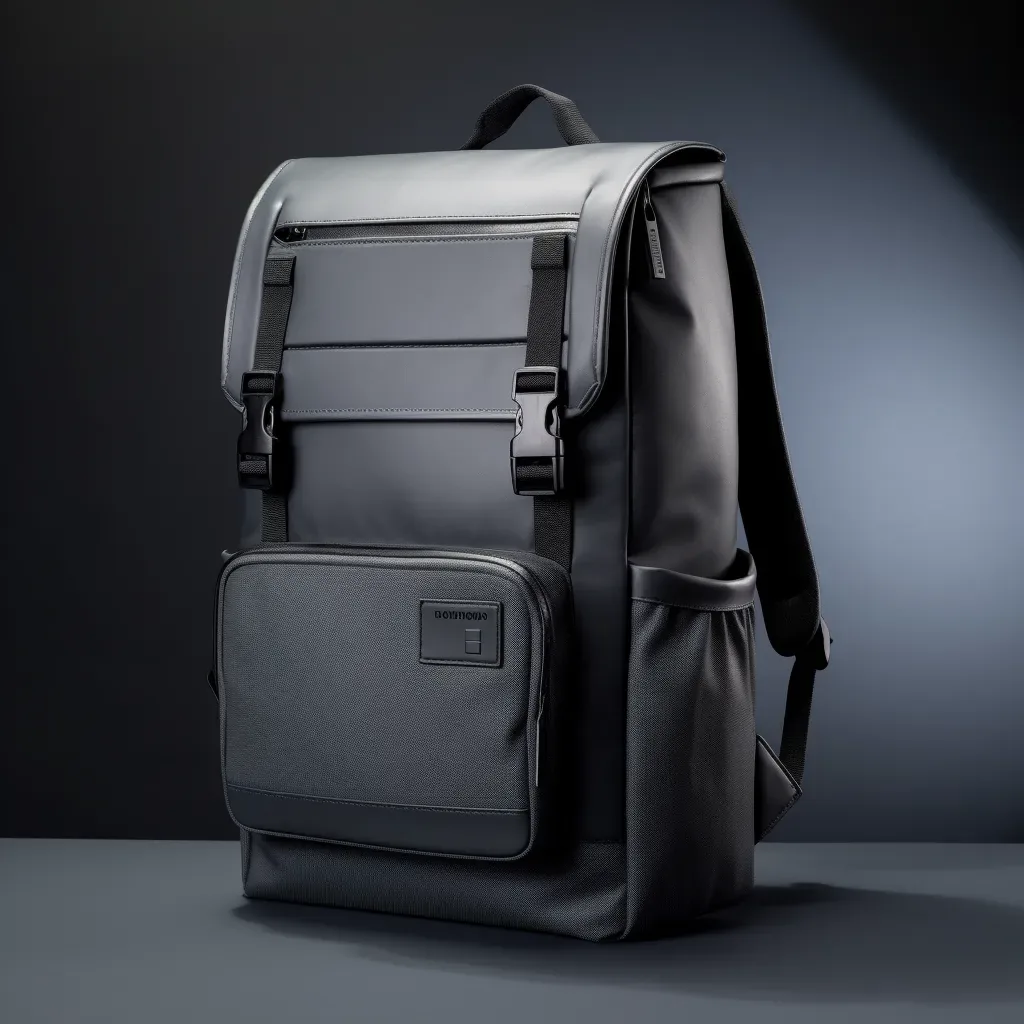
Bespoke Business Bags
Briefcases and folios judged at the desk rather than in a photograph — gusset stability, device clearance and edge finish decide whether a programme is re-ordered.
Business bags — briefcases, document cases, laptop folios and wheeled business cases — are developed to your own dimensions, leather substance, internal layout and hardware, then fixed in a sealed pre-production sample. Orders start at 500 pieces per style and colourway. Sampling runs 6–10 working days, stretching to 12–15 where lock hardware or a framed body is tooled. Bulk is delivered 35–50 days after sample approval, inspected to AQL 2.5 under ISO 2859-1 and released FOB Xiamen.
Programme parameters at a glance
| Parameter | Commitment |
|---|---|
| Minimum order quantity | 500 pieces per style / colourway |
| Sampling lead time | 6–10 working days (12–15 days for complex constructions) |
| Bulk production lead time | 35–50 days after sample approval |
| Inspection standard | AQL 2.5 (ISO 2859-1), single sampling, general level II |
| Incoterms | FOB Xiamen — EXW, CIF and DDP available on request |
| Payment terms | T/T 30% deposit / 70% before shipment; L/C at sight for container loads |
| Verified production floor space | 4,950 m² (SGS-verified) |
| Team | 137 staff across 7 production lines |
| Equipment | 149 machines including computerised saddle-stitch and edge-painting units |
| Monthly capacity | 200,000 pieces |
| Entity | Founded 2014; principal has worked in bag development since 2004 |
Formats Built Around the Working Day
The right format follows what the user carries between two rooms. A delegate folder holds a pad and a badge; a client-facing briefcase has to stand upright with nothing in it and still close over a file. Those two requirements pull the pattern in opposite directions, which is why format is settled before leather is discussed.
Framed bodies and soft bodies
A framed body carries an internal skeleton — board, steel or a moulded insert — and keeps its profile empty or full, at the cost of weight and a higher unit price. A soft body drapes, packs flatter and costs less, but it will slouch on a shelf within a season unless the base is boarded and the gusset is supported. Programmes that sell through photography tend to choose framed; programmes that ship flat to save freight tend to choose soft.
| Format | Footprint H × W × D (cm) | Device bay | Carry mode | Typical buyer |
|---|---|---|---|---|
| Document folio | 25 × 33 × 3 | None, or a 13 inch slip | Under the arm | Conferences and delegate kits |
| Slim briefcase | 28 × 38 × 6 | 13 inch, suspended | Top handle, optional sling | Professional services |
| Laptop briefcase | 30 × 41 × 9 | 15 or 16 inch, foam-lined | Handle plus detachable strap | Employee onboarding |
| Executive case | 32 × 43 × 12 | 16 inch with document divider | Handle, lockable | Client and executive gifting |
| Wheeled business case | 38 × 41 × 20 | 15 inch, removable sleeve | Telescopic trolley | Field sales and travel retail |
Depth is the dimension most often under-specified. Six centimetres suits a tablet and a notebook; nine carries a charger and a file; twelve turns the bag into a briefcase that will not fit under an aircraft seat, which matters if the same buyer also travels with it.
Device Bay and Internal Architecture
Device bays are dimensioned to the device plus clearance, not to a nominal screen figure. A 16 inch laptop in a sleeve is wider and deeper than the same machine bare, so the brief should state the largest device including any case. The bay is then suspended, lined and set clear of the base seam so a bag put down hard does not drive the corner of the machine into the floor.
- False bottom — a boarded floor under the bay that isolates the device from the base seam and spreads the load across the whole footprint.
- Cable routing — a lined channel and elastic loops sized for a 65 W charger, kept away from the closure line.
- Document divider — a full-height panel that keeps papers flat, bonded at the base so it cannot bow outward.
- Key leash — a 12 mm webbing strap with a swivel hook, anchored to a reinforcement patch rather than to the lining.
- Pen loops — elastic or leather, sized to a stated barrel diameter and bartacked at both ends.
- Removable organiser — a panel on press studs or a zip, so one chassis serves several markets.
Leather Substance, Interlining and Structure
Substance is chosen by format, not by price band. A slim folio in 1.6 mm leather feels clumsy and will not fold; the same hide on a framed executive case is what holds the corners. Between the leather and the lining sits the interlining, and that hidden layer decides whether the bag looks structured after six months or tired after six weeks.
Interlinings are specified by weight and by hand: 0.8 mm non-woven for a soft drape, 1.5 mm greyboard for a semi-structured body, 2.0 mm board plus a steel or moulded insert for a framed case. Bonding method matters as much as weight — a heat-activated film laid evenly beats a spray adhesive that telegraphs through the grain after a summer in a warehouse.
Handles, Locks and Edge Finish
Handles carry the whole bag and fail at the root if the specification is thin. Drop is measured from the top of the handle to the top of the body, and it is set to the user rather than to the silhouette: 55–70 mm for a hand-carried briefcase, longer where the bag is worn over a coat.
| Part | Stock level | Specified alternative | Verification |
|---|---|---|---|
| Top handle | 25 mm webbing, leather wrap | Layered leather over a 6 mm core, stitched at 7 SPI, bartacked | 400 N pull, 60 second hold |
| Handle drop | 60 mm | 55–70 mm, stated on the tech pack and checked on the sealed sample | Measured loaded and empty |
| Closure lock | Stock three-digit combination | Case-mounted lock, keyed cylinder or brass clasp, plated to match | Lock cycled 1,000 times |
| Edge finish | Two coats of edge paint | Three coats at 0.3 mm total, sanded between, creased before painting | Flexed 200 times at 5 °C |
| Base feet | None on soft builds | Five metal feet, 12 mm diameter, set into a reinforcement patch | Drop test, loaded 8 kg, ten drops |
Edge finish is the detail that separates a premium range from a mid-market one, and the detail that fails first in a cold climate. Three thin coats, sanded between, flex better than one thick coat; a creased edge takes paint more evenly than a raw cut.
Where Structured Cases Fail First
Six faults account for most of the rework in this category, and all six are visible on a sample if you know where to look: a gusset that collapses inward, lining that puckers because it was cut to the leather rather than to the board, edge paint that cracks at the fold, a lock that sits proud of the flap, a handle that delaminates, and corners that polish through within a season.
- Gusset collapse — fixed by a bonded stiffener and a base board sized to the footprint, not by thicker leather.
- Lining pucker — fixed by cutting the lining to the interlining with 3 mm of ease at every corner.
- Edge cracking — fixed by creasing before painting and specifying a flexible resin rather than a hard one.
- Lock misalignment — fixed by setting the lock on a reinforcement plate before the flap is lined.
- Handle delamination — fixed by stitching through all plies at 7 stitches per inch with a bartack at each root.
- Corner wear — fixed by a 15 mm corner radius and a leather wrap rather than a painted edge at the base.
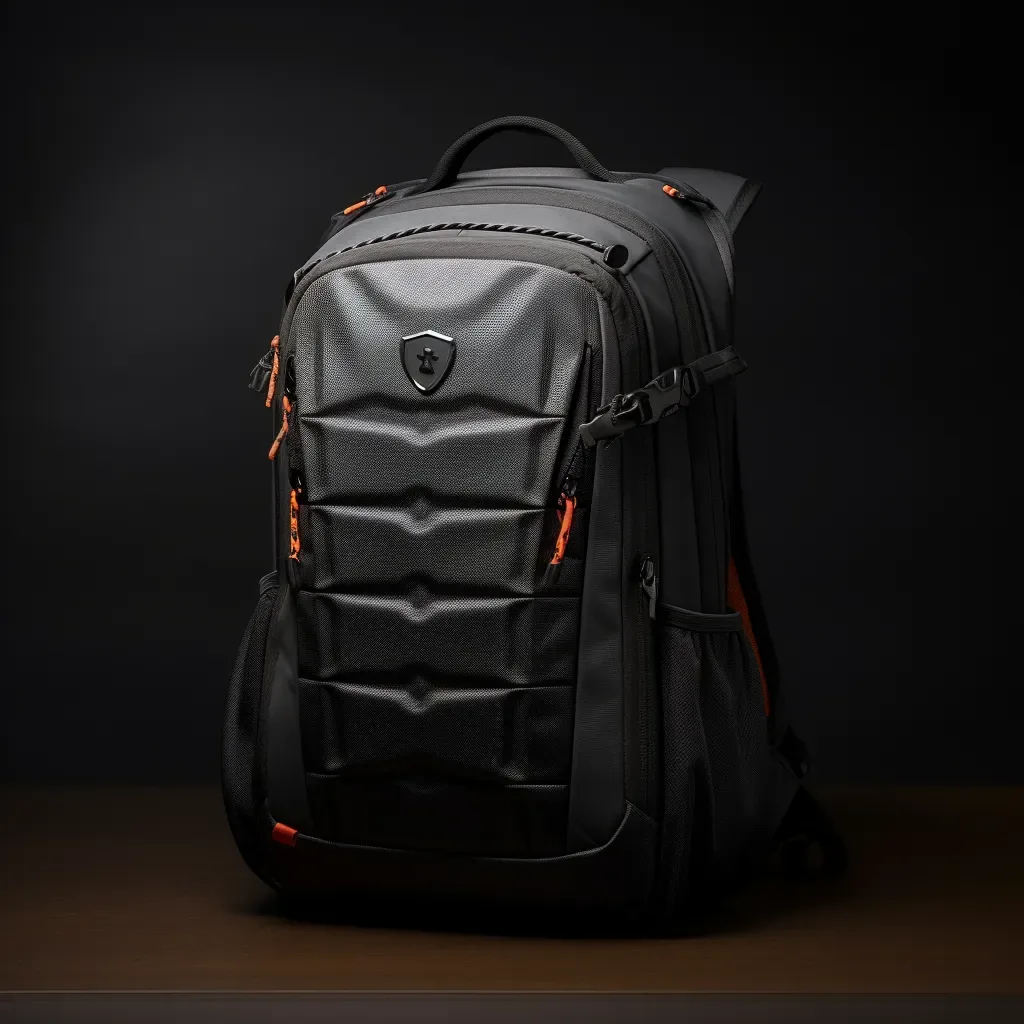
Costing a Business Bag Programme
Three variables move the unit price more than any other: leather substance and grade, hardware tooling, and the number of pattern pieces in the interior. A folio with one pocket and a stock lock costs a fraction of a framed case with a lock plate, a divider and a removable sleeve — the leather area differs by less than the labour does.
Leather yield is the hidden variable. Larger panels per bag mean fewer bags per hide, and a 43 cm executive case cuts far less efficiently than a 33 cm folio. Stating the format early lets the costing be built on a real yield rather than on an estimate, which is why price revisions after a sample are usually about format rather than about finish.
Documentation, Inspection and Re-Orders
Lots are sampled to AQL 2.5 under ISO 2859-1, single sampling, general level II, with defects graded critical, major and minor. Corporate programmes often add item-level checks on emboss depth and hardware alignment, because the recipient sees one bag rather than a range and judges the whole gift on it.
- Chemical declarations — REACH documentation for the European market and CPSIA for the United States, issued with the programme rather than on request at shipment.
- Material options — OEKO-TEX Standard 100 linings and LWG-sourced hides where the brand reports on material provenance.
- Mechanical testing — handle pull, lock cycles, edge flex and drop testing run against ASTM methods, with leather finish checks available under ASTM D2209.
- Production base — an SGS-verified 4,950 m² floor in Quanzhou, Fujian, 137 staff, 7 lines, 149 machines, worked to ISO 9001 and ISO 14001 discipline.
- Re-order control — sealed sample, approved lab dips, component list and inspection report held against the style so year-two matches year-one.
Gifting programmes benefit from one extra step at costing: agreeing the packing specification. Presentation boxes, tissue, care cards and barcodes packed at origin remove a second handling step at destination, and they are far cheaper applied on the line than in a warehouse.
Choosing the Hide: Tannage, Grade and Finish for Daily Carry
A business bag is carried five days a week, set down on floors and pushed under seats, so hide selection is made on behaviour rather than on appearance alone. Two leathers that photograph identically can age very differently: one darkens into something better, the other scuffs grey at the corners within a season.
| Hide type | Hand and appearance | Corner behaviour | Best suited to |
|---|---|---|---|
| Full-grain, vegetable-tanned | Firm, develops a patina, marks visibly | Burnishes rather than wearing through | Executive cases and gifting ranges |
| Full-grain, chrome-tanned | Softer and more supple with consistent colour | Needs a wrapped or reinforced corner | Slim folios and soft briefcases |
| Corrected-grain, embossed | Uniform grain, holds a printed mark cleanly | Most resistant to scuffing | Programmes where 500 units must look identical |
| Semi-aniline | Light finish with natural grain visible | Takes a crease and an edge well | Professional services ranges |
Finish is specified alongside the hide, not after it. Crocking behaviour matters on a bag carried against a light suit, and a finish that rubs will show on the lining before it shows on the bag. Colour is approved against a production batch rather than a lab dip alone, because a business range is seen side by side in an onboarding delivery rather than one at a time.
For programmes that repeat, the hide reference and the tannery batch note are held against the style along with the sealed sample. That record is what makes year two match year one; without it, a repeat order is matched by eye, and eye-matching across a year of bath changes is where most re-order disputes start.
Substance interacts with format in a way that surprises people ordering for the first time. A 1.4 mm hide on a 33 cm folio feels heavy in the hand and resists folding at the spine, while the same substance on a 43 cm executive case is what stops the front panel bowing between the handle roots. The figure is therefore written per format rather than per range, and a two-format range often uses two substances on the same hide.
Grain selection matters as much as substance on a large panel. A 43 cm front is the largest uninterrupted area on the product, and a hide with a loose or variable grain shows it there first. Panels are graded before cutting for that reason, with the flattest and most even area reserved for the front of a structured case.
Branding Placement and Consistency Across a Corporate Range
On a business bag the mark is read at a desk, in a meeting and in a lift, which is a different set of distances from the ones a retail bag is designed for. Placement is therefore settled against the closure and the handle rather than centred on the panel.
| Method | Where it sits on a business bag | Note for repeat runs |
|---|---|---|
| Blind deboss | Lower right of the front panel, clear of the closure line | Die, temperature and dwell recorded on the tech pack |
| Foil stamp | Centred on the front panel or at the handle root | Foil reference held against the style; lots vary between runs |
| Metal plate | Beside the lock housing or on the handle root | Plate tooling reserved for the programme |
| Lining mark | Inside the front flap, above the bay line | Reads at the desk rather than in the street |
- Keep the mark clear of the gusset fold — an impression that crosses a working fold opens up as the bag fills.
- Set a minimum mark size — fine detail closes up on a corrected-grain hide and reads as a blur at arm's length.
- Approve against a sealed sample — depth is checked on top-of-production units pulled mid-run, not on the first piece off the line.
- Grade panels before cutting — density varies across a hide, and a soft spot takes a shallower impression.
Corporate programmes add one constraint that retail ranges do not have: every recipient receives one bag and judges the whole gift on it. A mark that is two millimetres off on a single unit is not a statistical defect to that recipient, which is why item-level checks on mark depth and hardware alignment are usually added on top of the AQL 2.5 standard for this category.
Foil is the method that most often causes a re-order argument, because foil lots vary and the difference is only visible beside last season's bag. Holding the foil reference against the style and approving a fresh sample on the first repeat is the cheapest way to avoid it. Where a programme cannot tolerate any variation at all, blind debossing is the safer specification.
One placement note specific to this category: a mark at the handle root is read by the user every time they pick the bag up, and it is the position most associated with a considered range. It also sits on the part that wears fastest, so the leather there is specified with enough substance to take a repeated impression.
Building a Matching Range from One Specification
A set of bags reads as a set when the leather, the thread, the lining and the hardware finish are shared across it. That sharing is also what makes the range economical, because one hide buy, one component order and one tooling set cover several lines.
| Item | What it shares with the briefcase | Quantity note |
|---|---|---|
| Document folio | Leather, thread, lining and logo die | Counts as its own style at 500 per colourway |
| Cardholder | Leather and edge finish, often cut from recovered panels | The cheapest line to add to a programme |
| Wash bag | Leather, lining and the zipper family | Uses the same component order as the case |
| Laptop sleeve | Lining, foam specification and zipper family | Shares the bay dimensions and suspension detail |
Recovered panels are the quiet benefit of building a range this way. A 43 cm executive case leaves usable leather around the perimeter of the hide, and a cardholder or a pen loop is the natural destination for it. Programmes that plan the small item alongside the large one recover that material into sellable product rather than into waste.
The constraint is that a shared specification has to be decided before the first sample, not applied afterwards. Thread reference, lining colour and hardware plating are cheap to agree at the start and expensive to harmonise once one line has already been approved and costed against a different set of components.
A range built this way also compresses the approval round. One hide sample, one thread match, one lining approval and one hardware finish cover every line in the set, which turns a sampling round that would otherwise take a fortnight of decisions into a single session. For corporate programmes working to a fixed delivery date, that compression is often the deciding factor.
The counter-argument is worth stating: a shared specification flattens a range if it is applied too rigidly. Where two formats genuinely serve different users — a delegate folder and an executive case — a change of substance or of lining is justified. The working rule is to share everything invisible and vary only what a user would actually notice.
Carton, Freight and Delivery Specification
Freight on a business bag programme is driven by the carton rather than by the bag. A framed executive case holds its shape in transit and therefore ships fewer units per carton than a folio, so the decision to frame has a cost that appears on the freight invoice rather than on the unit price.
Getting the carton specification agreed at costing rather than after production avoids the two problems that appear late: a carton too weak for a framed build, which arrives with crushed corners, and a carton count that was never planned, which leaves a destination warehouse repacking to fit its own shelving.
Gifting programmes are the case where packing matters most, because the bag is opened by the recipient rather than by a store. Presentation boxes, tissue, care cards and barcodes applied at origin mean the parcel arrives ready to hand over, and they cost far less on the line than as a second operation in a destination warehouse.
Labelling is the detail most often discovered late. Destination labels, barcodes and any country-of-origin marking are applied at origin against a specification agreed before packing begins, because a carton opened at destination to add a label is a carton that no longer arrives presentation-ready.
Carton weight is the second freight variable, and on structured builds it is set by the bag rather than by the box. Five metal feet, a framed body and a 2.0 mm base board all add mass, which matters immediately if the programme ships by air. Where air freight is likely, the framing decision is worth revisiting at costing.
Sampling runs 6–10 working days, extending to 12–15 where lock hardware or a framed body is tooled, and bulk is delivered 35–50 days after sample approval. A specification enquiry can be sent to service@junyuanbags.com or raised on WhatsApp at 0086 17750020688.
Brief a business bag programme
Tell us the format, the largest device and the interior layout. We will return a costed specification and a sampling plan.
Frequently Asked Questions
Can a briefcase be patterned so it stands up when empty?
Yes, with a framed or semi-framed construction: a 2.0 mm base board, a bonded gusset stiffener and interlining on the front and back panels. The trade-off is weight and a higher unit price, because a framed body adds pattern pieces and labour. Soft bodies can be improved with a boarded base alone, which stops the worst of the slouch.
How is handle drop measured and specified?
Handle drop is the distance from the top of the handle to the top of the body, measured on the finished sample with the bag empty. Business formats usually sit between 55 and 70 mm. Longer drops suit carry over a winter coat; shorter drops keep the bag tidy under the arm. The figure is written on the tech pack and checked on the sealed sample.
What board and interlining options control slouch?
A 0.8 mm non-woven interlining gives a soft drape, 1.5 mm greyboard gives a semi-structured body, and 2.0 mm board with a steel or moulded insert gives a fully framed case. Bonding method matters as much as weight: heat-activated film laid evenly avoids the grain telegraphing that spray adhesives cause after storage in heat.
Do you specify lock hardware by cycle life?
Yes. Locks are cycled 1,000 times as a minimum on approval, and keyed cylinders are checked for smooth action across the full rotation. Locks are mounted on a reinforcement plate inside the flap so the housing cannot twist out of alignment, which is the most common cause of a case that will not close on a full bag.
How is the device bay dimensioned when users keep a case on the laptop?
State the largest device including its sleeve, and the bay is cut to that plus 6 mm on width and depth. The bay floor is suspended 15 mm above the base seam on 10 mm closed-cell foam backed by board, so a bag set down hard does not drive the device corner into the floor.
Can the gusset be set to a stated document thickness?
Yes. Sixty millimetres suits documents and a tablet; ninety millimetres takes a lever-arch file or a charger brick. The gusset is bonded to a stiffener and to the base board so it holds its section instead of bowing outward when the bag is full, and the closure is cut to the filled dimension.
What edge-paint specification keeps corners from cracking?
Three thin coats at roughly 0.3 mm total, sanded between coats, applied over a creased and sealed edge rather than a raw cut. A flexible resin is specified for programmes shipping into cold climates. Edge finish is flexed 200 times at 5 °C on approval, which exposes hard resins that look fine in a warm sample room.
How do you keep emboss depth consistent across a long run?
The die, the temperature, the dwell time and the substrate are fixed at sample stage and recorded, then the sealed sample becomes the reference for the line. Depth is checked on top-of-production units pulled mid-run. Leather is graded before cutting so that panel density is uniform, because soft spots take an impression differently.
Can a business bag be lined in a contrasting colour without show-through?
Yes, provided the hide is specified for opacity and the interlining sits between the two. Dark linings under pale leather are the risky combination, and a barrier interlining or a slicker facing is used there. Show-through is checked on the pre-production sample under retail lighting rather than under daylight alone.
Are replacement locks and feet available on re-orders?
Component specifications are recorded against the style, covering lock part numbers, foot diameter and plating, so spares or a later run match the original. Ordering a small spare allowance with the first shipment is the cheapest point to buy it, since the parts are already on the line and in the component order.
Can a briefcase be matched to a leather range that is already in the market?
Yes, provided a physical reference is sent rather than a photograph. The hide is matched by substance, grain and finish against that reference, and a sealed sample is produced for approval before bulk. Where the original tannage is no longer available, the nearest match is shown and approved in writing before any leather is bought.
How many units ship in one carton?
It depends on format: a flat document folio packs several times denser than a framed executive case, which holds its shape and cannot be compressed. The carton count is agreed at costing with a stated carton strength, and framed builds get corner protection. Getting it right early avoids freight surprises and crushed corners on arrival.
Can a folio and a briefcase share one specification?
Yes, and it is the most efficient way to build a range. Sharing the hide, thread, lining and hardware finish means one leather buy and one component order cover both lines. Each item still counts as its own style at 500 pieces per colourway, but the tooling and approval work is done once.
Which tannage suits a bag that is carried every day?
Full-grain vegetable-tanned leather is usually the answer because it burnishes at the corners instead of scuffing grey, and it improves with use. The trade-off is that it marks visibly and patinates unevenly, which some corporate programmes dislike. Corrected-grain leather stays uniform and is the choice where 500 units must look identical.